Home > Duke of Edinburgh’s Award
Duke of Edinburgh's Award
The Duke of Edinburgh's International Award at Harrow Shanghai
The Duke of Edinburgh’s International Award (DofE) asks young people to set their own goals and keep working at them for months, not days. At Harrow Shanghai, students build a programme of volunteering, physical activity and skills around their own interests. They then challenge themselves on an adventurous journey with a team of their peers.
The Award is non-competitive. Students measure their progress against their own starting point, not against each other, so it is open to every student, whatever their background, levels of experience or interests.
Our provision has grown considerably over the past year. Students now have a dedicated DofE co-curricular activity (ECA), expedition training sessions, student DofE ambassadors and a clear route from Bronze through Silver to the highly-regarded and challenging Gold Award.
Award levels and who can take part
We offer the Bronze and Silver Awards, and plan to add a Gold expedition in 2027–28 for students who are ready for it. Students can start Bronze from age 14, Silver from 15 and Gold from 16, and have until their 25th birthday to finish.
Level | Start from age | Volunteering, Physical, Skills | Adventurous Journey | At Harrow Shanghai |
|---|---|---|---|---|
Bronze | 14 | 3 months each, plus 3 more months in one section. | 2 days, 1 night | Offered to new starters |
Silver | 15 | 6 months each (3 months in one section); students without Bronze add 6 more months in one section | 3 days, 2 nights | Offered to Bronze Award holders |
Gold | 16 | 12 months each (6 months in one section) plus a 5-day, 4-night Residential Project | 4 days, 3 nights | Offered to silver award holders. |
Each section asks for about an hour a week, so the Award fits around studies and other commitments. Every student is welcome, whatever their experience of sport or the outdoors: the challenge is personal, and the starting point is their own.
What the Award involves
Every level has the same four sections, and students choose their own activities for the first three.
Voluntary Service. Students give their time to help other people, their community or a cause they care about. It might mean helping to run a club for younger pupils, supporting a charity or joining an environmental project. The only rule is that it must be unpaid work that makes a difference.
Physical Recreation. Almost any sport, dance or fitness activity counts, in a team or alone. Some students try something completely new; others set out to improve at a sport they already play.
Skills. Students develop a practical, creative or social skill, from coding and cooking to a musical instrument or a new language. The aim is steady, visible progress over the months.
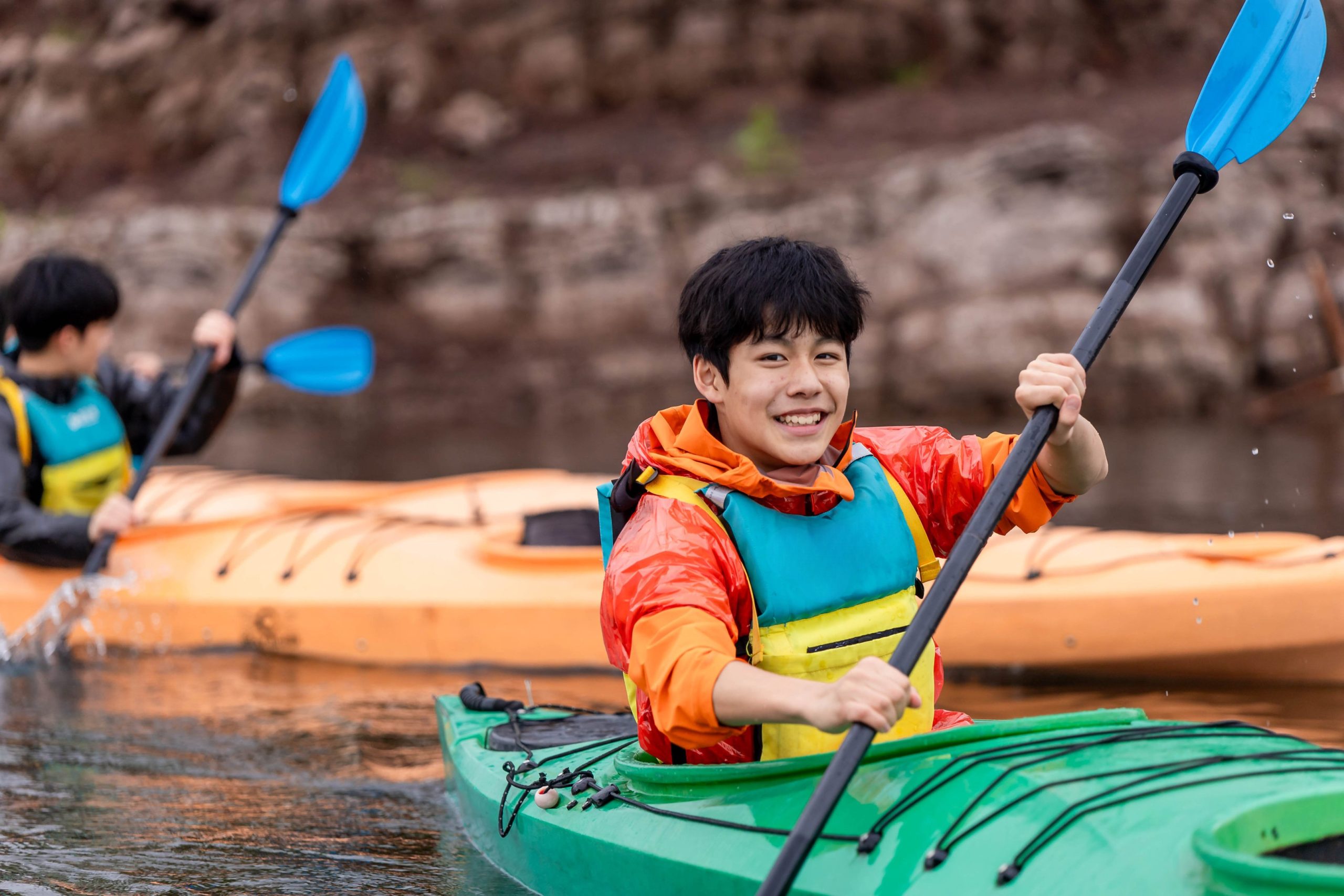
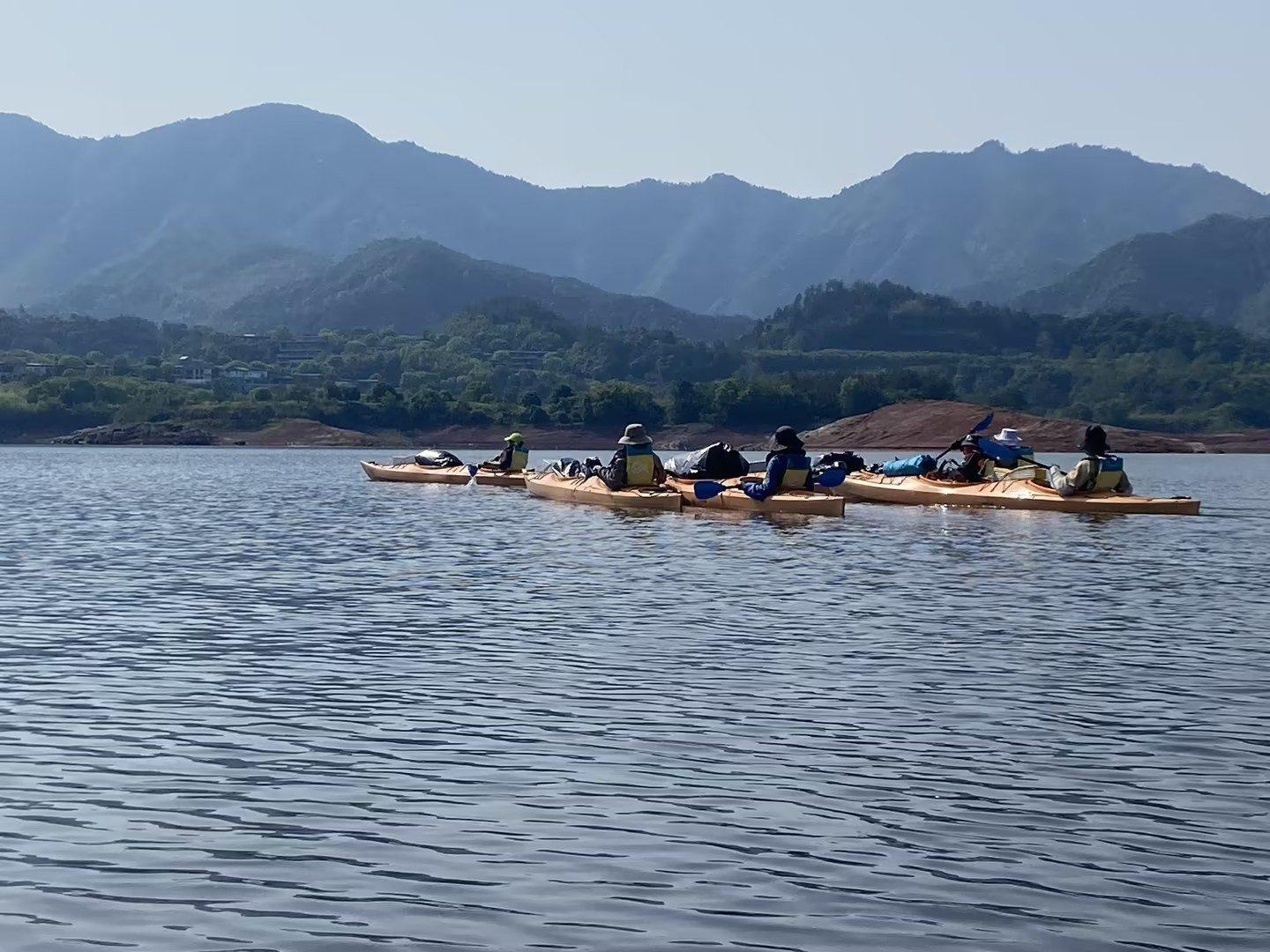
Adventurous Journey. In a small team, students plan, train for and complete a journey with a clear aim, carrying their own kit and cooking their own meals. Journeys can be on foot, by bike or on water, and our students explore Qiandao Lake by kayak. At Bronze, teams spend at least six hours a day travelling and working towards their aim.
For each activity, an adult who knows it well acts as the student’s assessor and writes a short report. Gold participants also complete a Residential Project: five days and four nights spent on a shared activity with people they have not met before.
How we support students
Students own their Award, and we give them the structure, time and expertise to succeed at it.
- A dedicated DofE ECA. A weekly session gives students time to plan activities, set goals, log progress and prepare for expeditions together.
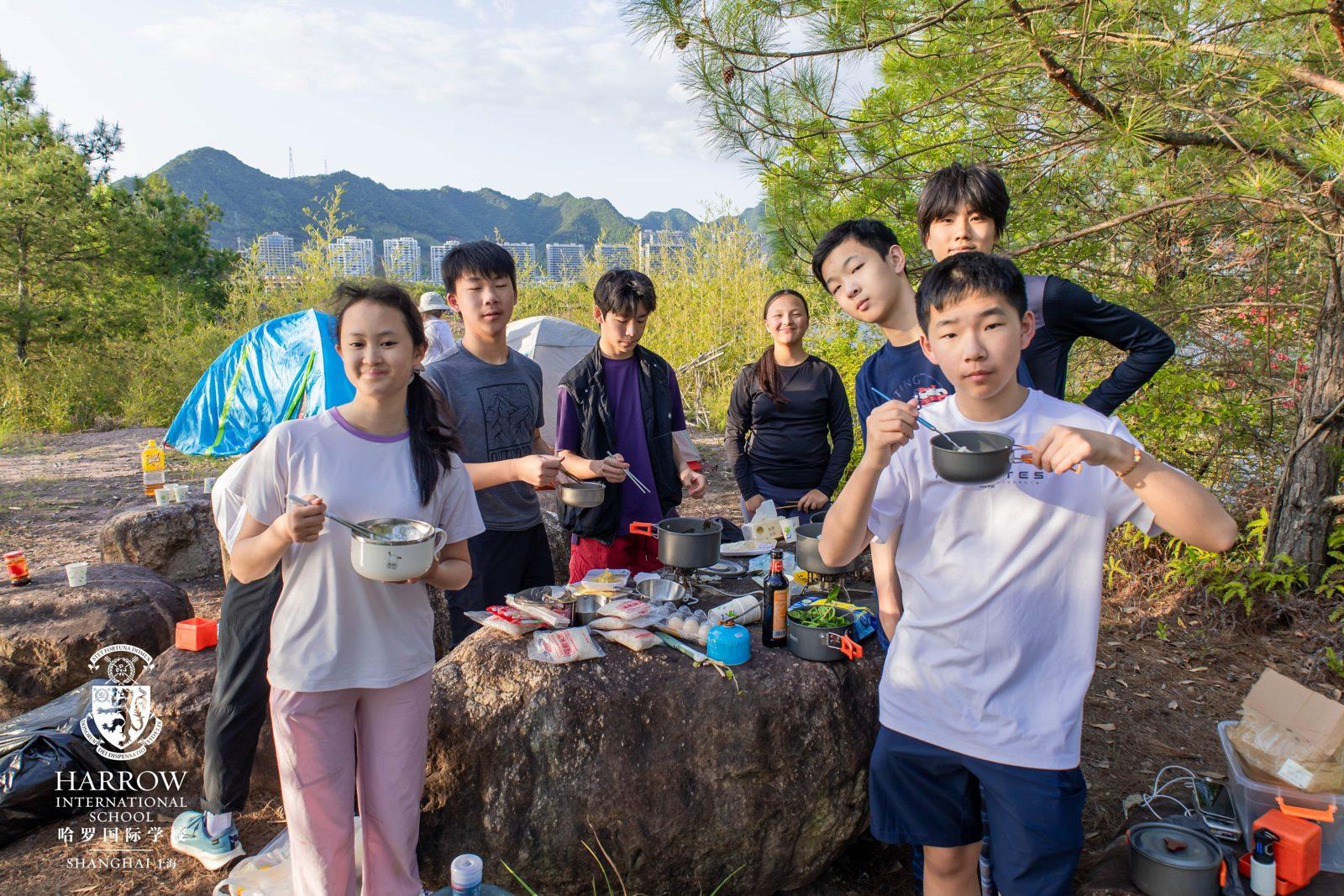
- Expedition training. Students learn to plan menus and cook for their team, first on the indoor hobs in the school’s cooking room and then outdoors on camping stoves. They also learn navigation and basic camping skills.
- Recording progress. Students record their activities and evidence in the Award’s Online Record Book. Staff check in and encourage, but keeping the record up to date is the student’s responsibility, and part of what makes the Award theirs.
- Expert assessors. Teachers, coaches and instructors act as section assessors, giving students feedback from someone who knows the activity well.
- Student ambassadors. Experienced participants help new starters choose activities and share what the Award is really like.
- Flexible routes. Activities outside school count too, and we work with families and our outdoor education partners to find another way forward when plans change.
- Safe, well-supported expeditions. Expeditions run with specialist outdoor education providers, so students can take on real challenges with qualified instructors close at hand.
What students gain
The Award builds the qualities that matter well beyond school, and students develop them by doing, not by being told.
Independence. On expedition, students plan their own route, menus and kit, shop for their own food and cook every meal. Over the months, they also learn to manage their own commitments without being chased.
Teamwork. A kayaking team only moves as fast as its slowest paddler. Students learn to share loads, make decisions together and look out for each other when the day gets long.
Resilience. Keeping an activity going every week for three, six or twelve months takes persistence. On expedition, they keep going when they are tired and a long way from home comforts.
Confidence to challenge themselves. Many students begin unsure whether they can camp, cook or paddle all day. Finishing an expedition shows them they can, and that confidence often carries back into the classroom.
The Award is also recognised by universities and employers worldwide as evidence of commitment, initiative and character.
Highlight: kayaking Qiandao Lake
From 23 to 25 April 2026, our Bronze participants spent three days kayaking among the islands of Qiandao Lake (Thousand Island Lake) in Zhejiang.
The expedition began in a supermarket, where each team bought the food for the menus it had planned. Students then loaded their kayaks with kit and paddled out between the islands, stopping to cook lunch on camping stoves on the lakeside rocks. In the evenings, they cooked and ate together at camp.
Looking ahead
In 2026–27 we will run a Bronze expedition for new starters and a Silver expedition for the students who achieved Bronze last year. A Gold expedition is planned for 2027–28, for those ready to take on the Award’s highest level.
Getting involved. Students interested in joining should speak to Dr Sharples, our DofE Coordinator, or one of our student DofE ambassadors. Sign-up details are shared with Upper School students on Teams at the start of each programme.