
Every admissions season, anxiety seems to ripple through parent groups.
Which schools have the strongest reputations? Which have the best facilities, the most impressive curricula, or the most outstanding university destinations? In the process, we often overlook the person who stands in front of our children every day: their teacher.
In a child’s early years of education, this oversight matters more than ever. To a three-, four-, or five-year-old, a school is just an abstract name. But a teacher is something real: a reassuring presence, a warm smile, a pair of hands ready to hold theirs.
At Harrow Shanghai’s Early Years and Lower School, two teachers have shown me what a great teacher can truly look like.
Wanda gets down to a child’s level in Year 1, making sure every child feels seen.
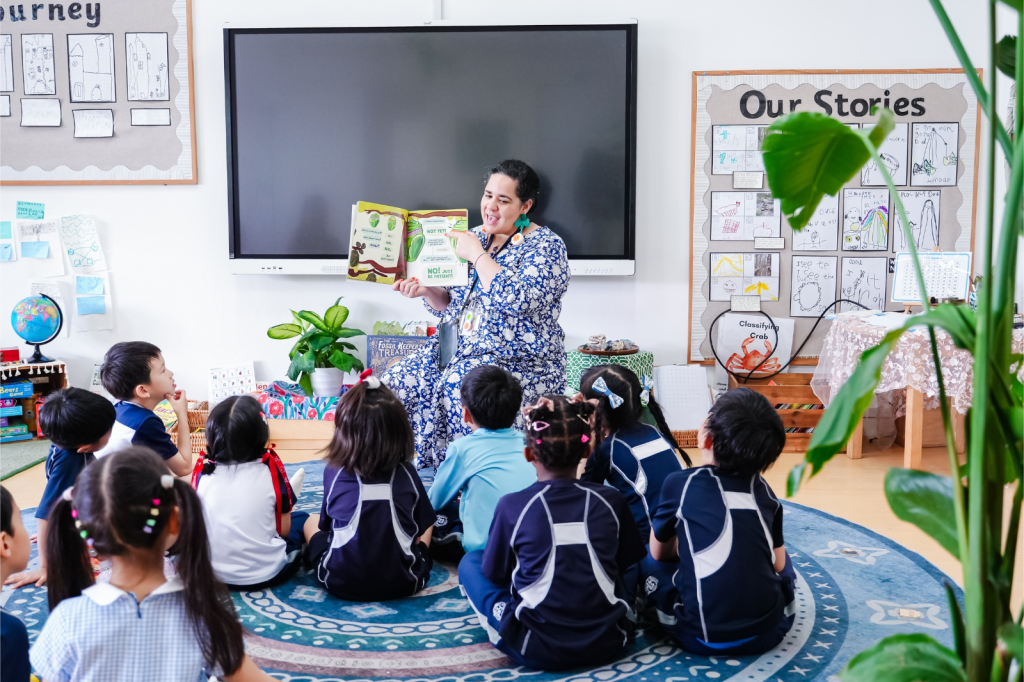
Amy brings the wider world into her Nursery classroom.
Getting Down to Their Level, Seeing Every Child
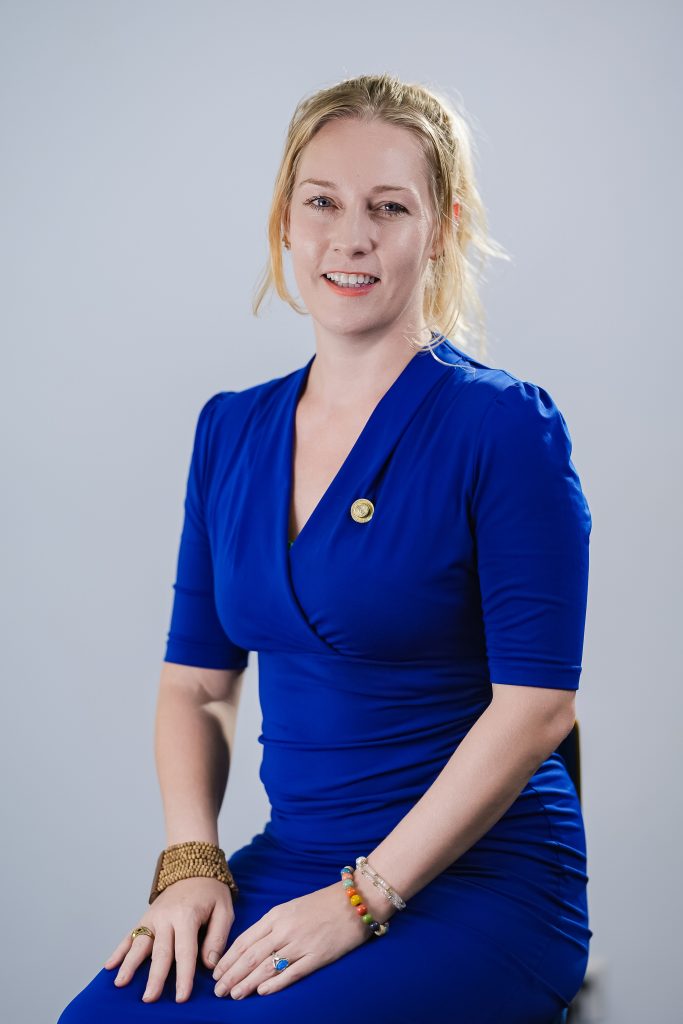
Wanda Stephens
Wanda is from the UK and has been teaching Year 1 at Harrow Shanghai for nine years.
Nine years at the same school, working with the same year group. That kind of commitment speaks for itself.
Her background reflects a longstanding connection with early childhood education. From studying for a BTEC National Diploma in Early Years Education (with placement) after her A-Levels, to earning a BA in Early Years Education, specialising in Art, and gaining years of teaching experience in early years settings and Key Stage 1 (KS1) in the UK, she has remained dedicated to one thing: supporting children as they grow.
Ten years ago, she moved to Shanghai with her family, initially hoping to experience a different culture. Little did she know that Shanghai would become home. Her two children have grown up at Harrow too, speaking two languages and seeing the world through two cultural perspectives.
Children Are Natural Scientists
After completing her A-Levels, Wanda began exploring early childhood education and went on to study for a BTEC National Diploma in Early Years Education. It was during her placement that she realised she wanted to become a teacher. Working with these young, curious and refreshingly honest little individuals brought her genuine joy.
“I began to see children as natural scientists — constantly exploring, asking questions and trying to make sense of the world.”
She gradually developed a deep interest in child development, schemas and the reasons behind children’s behaviour. What might look like mischief can sometimes be a child expressing a need, exploring an idea or trying to understand something new.
The Early Years are a crucial stage in a child’s development, and Wanda wanted to play a part in that journey — creating an environment where curiosity is valued and the focus is on the process of learning and growing, not just the end result.
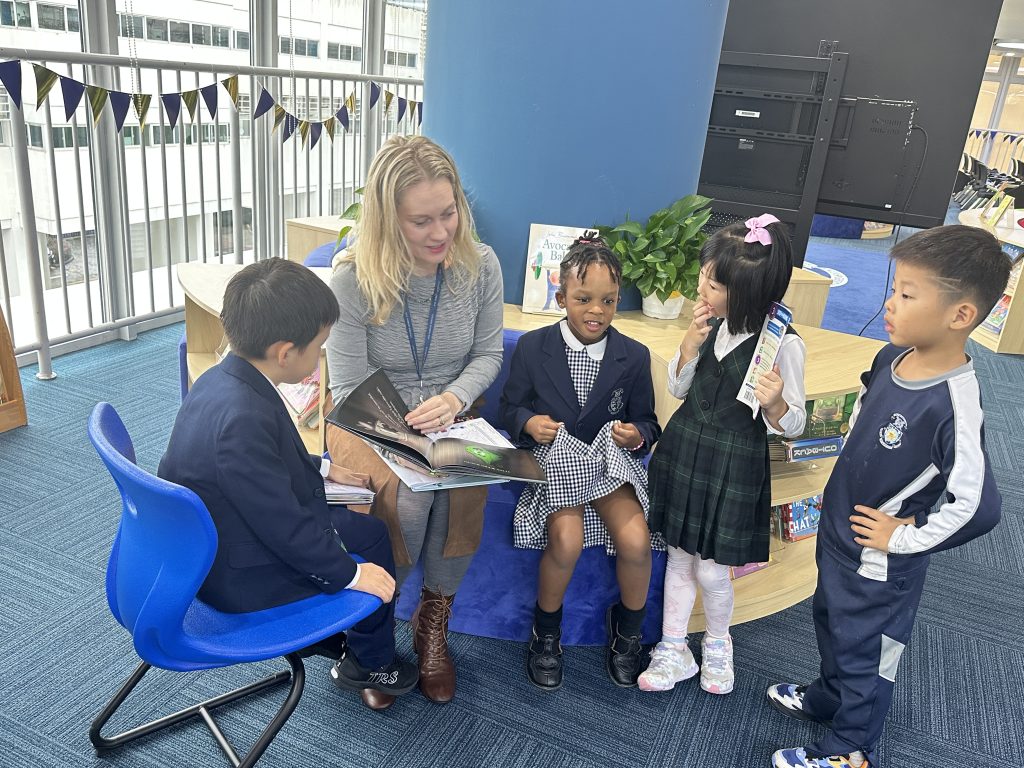
Using Stories to Embrace Differences
As the school’s PSHE (Personal, Social, Health and Economic Education) Lead, Wanda oversees the curriculum from Year 1 to Year 5. She came up with a wonderfully imaginative idea.
During a lesson about differences, she dressed up as a fictional character with pink hair and blue spots. Through storytelling, she helped the children explore how this character might feel if they were laughed at or bullied.
Why use a fictional character? Wanda has a thoughtful explanation:
A fictional character gives children a safe distance from which to think, explore different perspectives and ask questions freely, without worrying about getting the answer wrong.
The children asked many sincere questions during that lesson. Their conversation went beyond “what shouldn’t we say?” to explore “what can we say instead?” Wanda wants children to respond to people who are different from them with curiosity and kindness, rather than rushing to judgment.
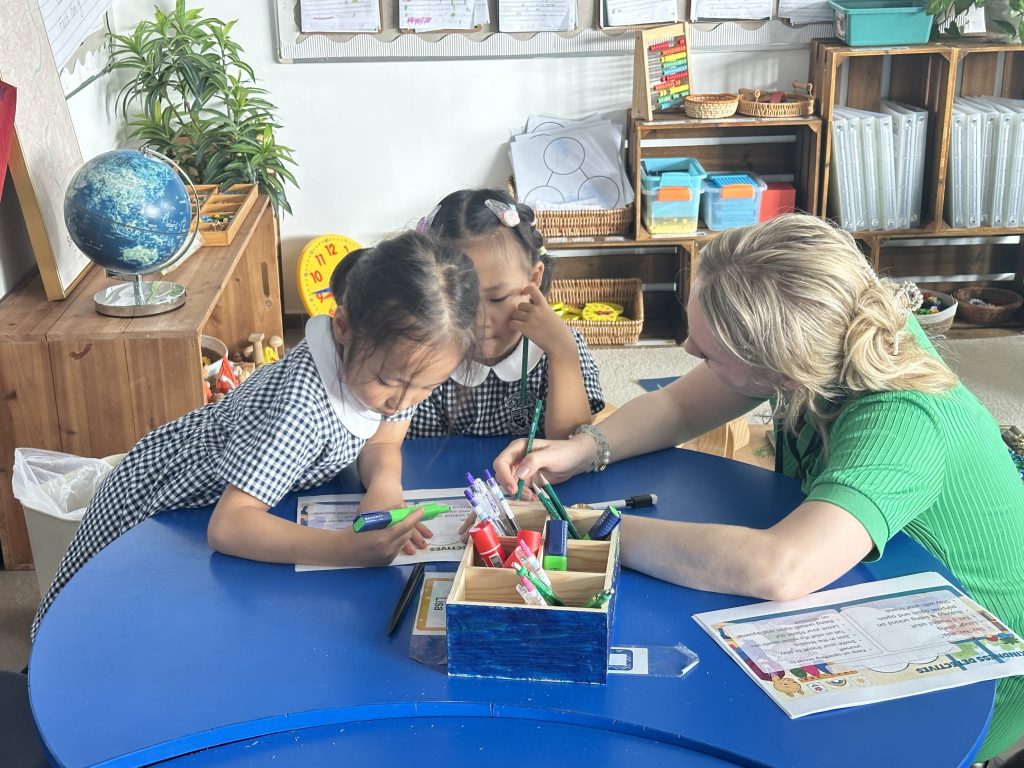
The rainbow flower picture book in the reading corner on the third floor explores differences through lines such as “My hair is black, your hair is yellow — you look different” and follows the same approach: using stories to gently open conversations about sensitive topics.
Getting Down to Listen
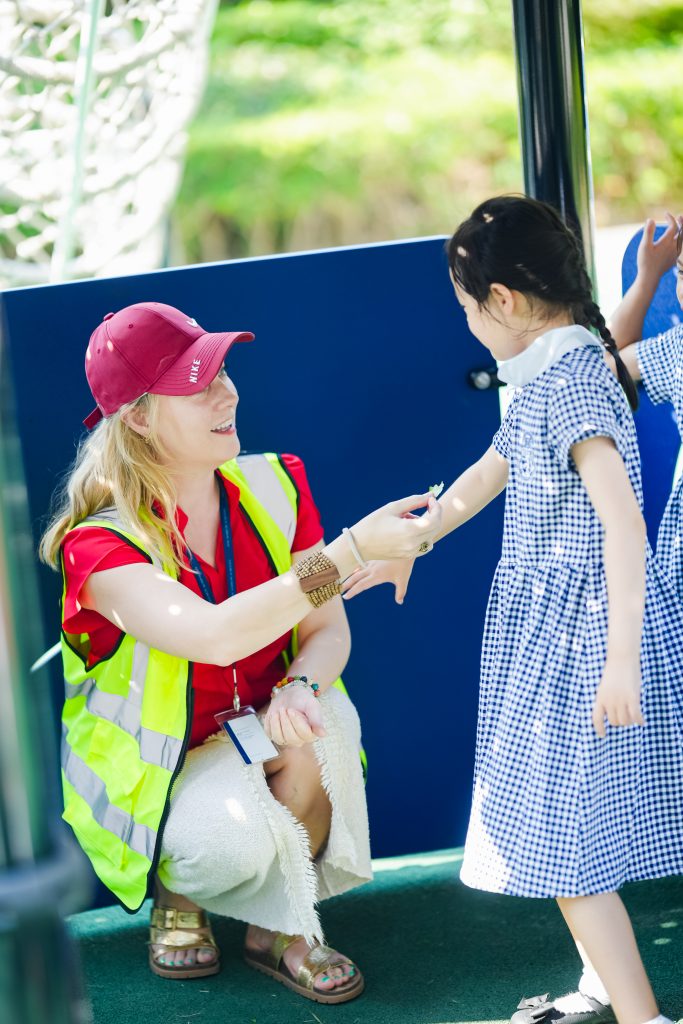
You’ll often find Wanda crouching down to listen carefully to a child, saying, “I feel how you feel.”
Why does she make a point of getting down to their level? Her answer is simple:
When we get down to a child’s level, take the time to listen and give them our full attention; we’re telling them: your voice matters.
Wanda believes that communication is something we teach by example: making appropriate eye contact, listening attentively and respecting the person who is speaking. Children are more likely to open up when they truly feel heard, without being overwhelmed by an adult’s physical presence or position of authority.
Over time, these small interactions build trust and create an environment where children feel safe to speak up.
It takes a village
After nine years at Harrow Shanghai, Wanda has a particularly thoughtful answer to the question of whether to choose a school or a teacher.
She acknowledges that great teachers are the ones who bring everything together. They embody and create the magic and spirit of a school.
But she wants to make one thing clear: the school, its teachers and families are all interconnected.
The best results come from a supportive, well-rounded environment, built by people who genuinely love children and enjoy what they do. As the saying goes, “It takes a village to raise a child.” At Harrow, that village is our school community.
A Teacher Who Has Seen the World, Bringing the World to Children

Amy Hanslo
Amy Hanslo has been teaching Nursery at Harrow Shanghai for four years.
With 15 years of teaching experience across South Africa, South Korea and China, she brings a wealth of experience to her classroom.
But what makes her truly special goes beyond her professional background. It is her genuine love for children, the way she brings real-life experiences into the classroom, and the joy she finds in every little step forward her pupils take.
Perhaps it is also the openness of someone who has seen the world—someone who gently brings her own experiences and understanding into the lives of the children she teaches.
At the Heart of Teaching Lies a Child’s Curiosity
“Teaching is in my roots.” Amy’s mother is an art teacher, and her grandmother was an Early Years teacher. Growing up, she watched them bring passion and enthusiasm to their work, and their influence stayed with her.
But what has truly kept Amy in teaching is the children themselves. “I’ve always loved the way young children see the world with such wonder and curiosity.”
She is fascinated by the way children ask questions, try out different ideas and find excitement in even the smallest discoveries. Being alongside a child as they begin to make sense of the world is, to her, something truly special.
Fifteen years on, she still feels incredibly lucky to do what she does.
Bringing Everyday Life into the Classroom
Amy has a little habit that all her parents have come to know and love. Every weekend, she shares snippets of her own life in the parent group: places she’s visited, food she’s tried, and new things she’s discovered. She also invites families to share what their children have been up to over the weekend, then brings their stories into the classroom on Monday in a PPT presentation. She calls it “Weekend News”.
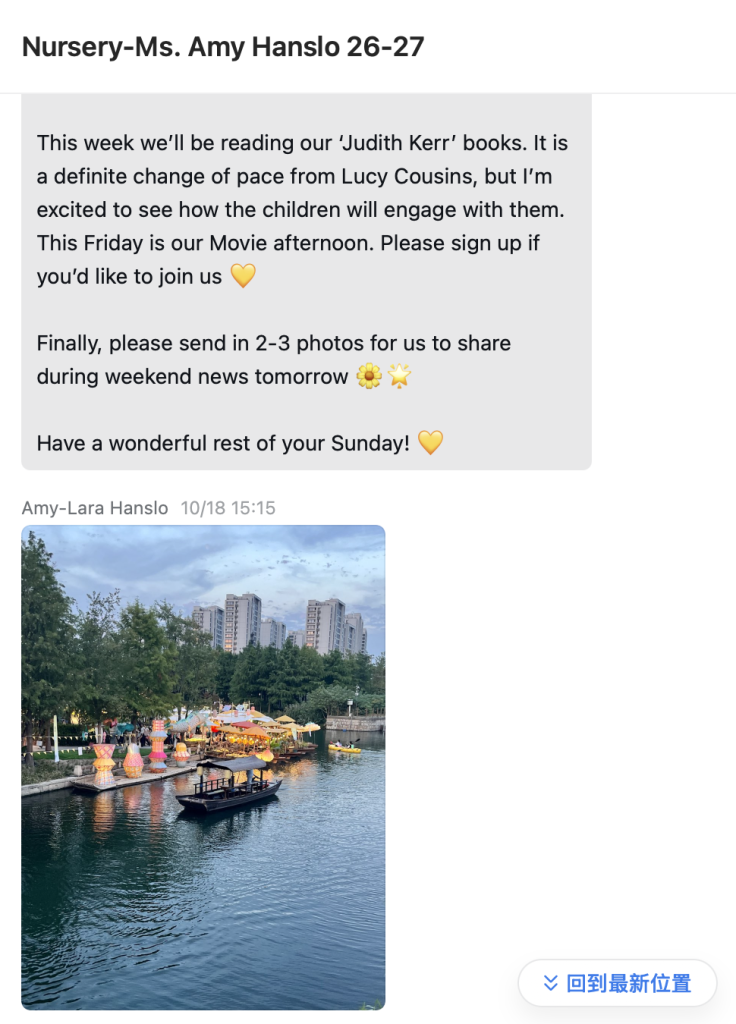
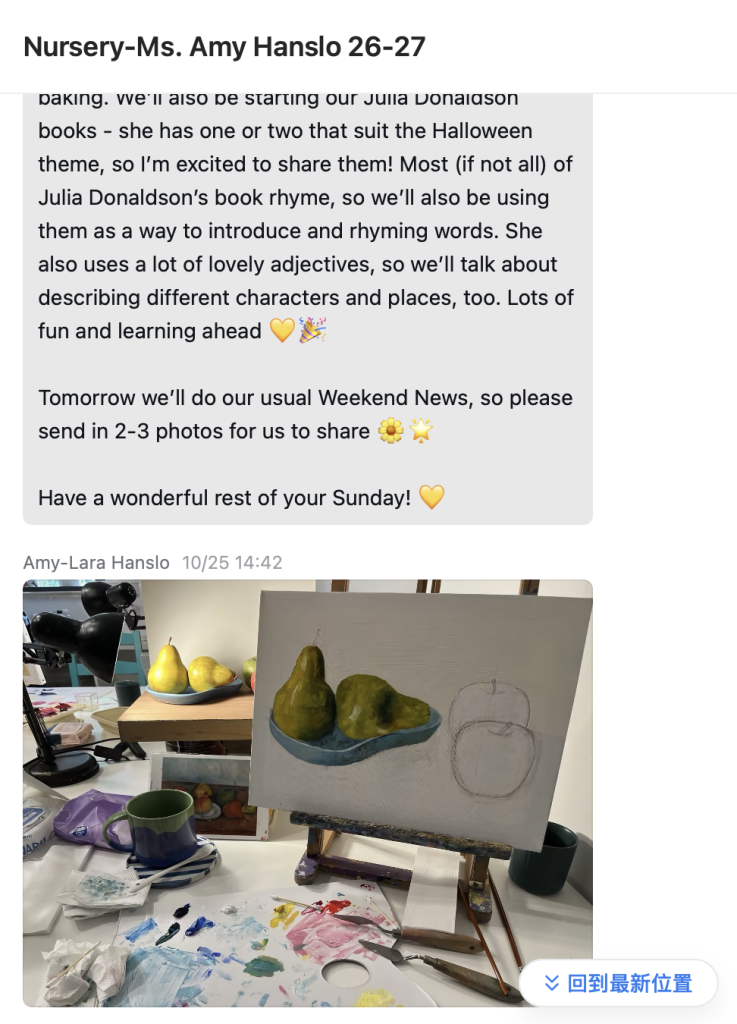
The idea behind this little ritual is simple: Amy wanted to give children a chance to share their home lives and see the value in everyday moments.
She wants them to know that “News” doesn’t have to mean a trip to a theme park or an exciting holiday. Making egg-fried rice with Dad, spotting a tiny snail in the garden, or sorting toys with Mum can all make wonderful stories to share.
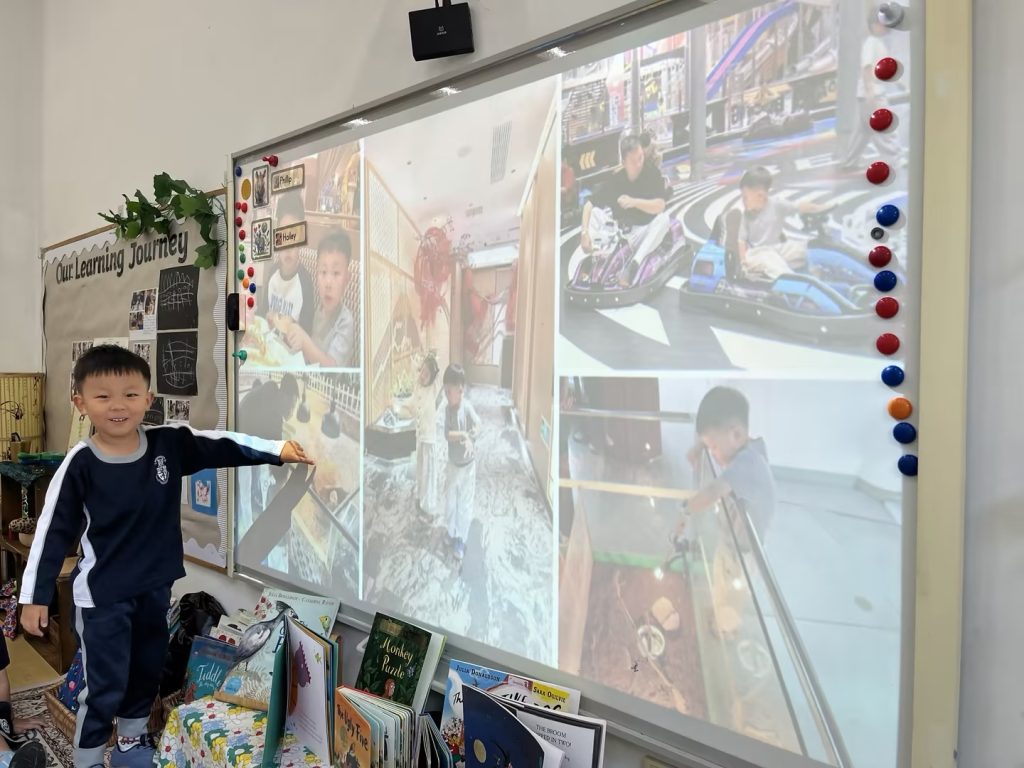
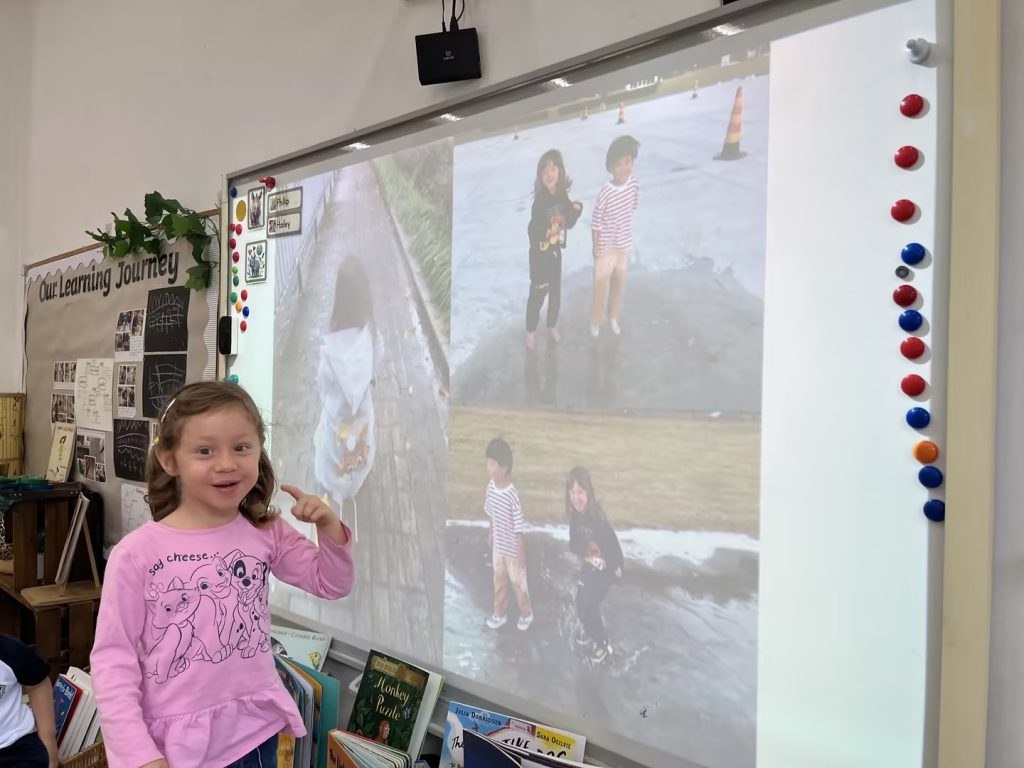
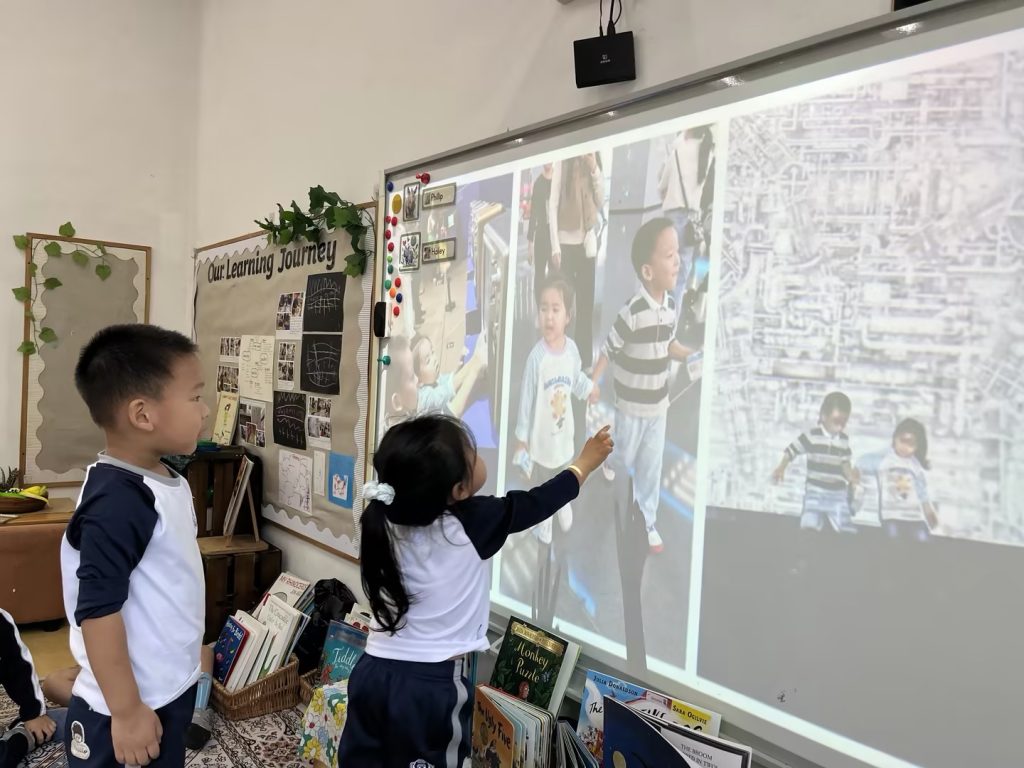
Amy also encourages children to share their Weekend News because she believes it helps them develop their confidence in public speaking. Standing in front of their teachers and classmates gives them the opportunity to overcome their shyness, grow more comfortable speaking in front of others and experience the sense of achievement that comes from being heard and recognised.
As they listen to their classmates, children also learn to be respectful, listen attentively and discover shared interests. A simple moment of recognition — “You went cycling in the park too!” — can spark a connection and help build stronger friendships.
The Little Moments that Make Her Proud
When asked what makes her most proud of Harrow, Amy doesn’t talk about report cards or academic results. Instead, she recalls the little moments that bring the school community to life.
This year, Menno’s family helped create Menno and Friends Farm, giving the children a wonderful opportunity to connect with nature. Every day, they visit the farm, care for its plants and excitedly talk about what they discover.
Amy is equally proud of her Rhino Class families. Two new children joined the class this year, and the existing families welcomed them so warmly that the newcomers felt at home from the very beginning.
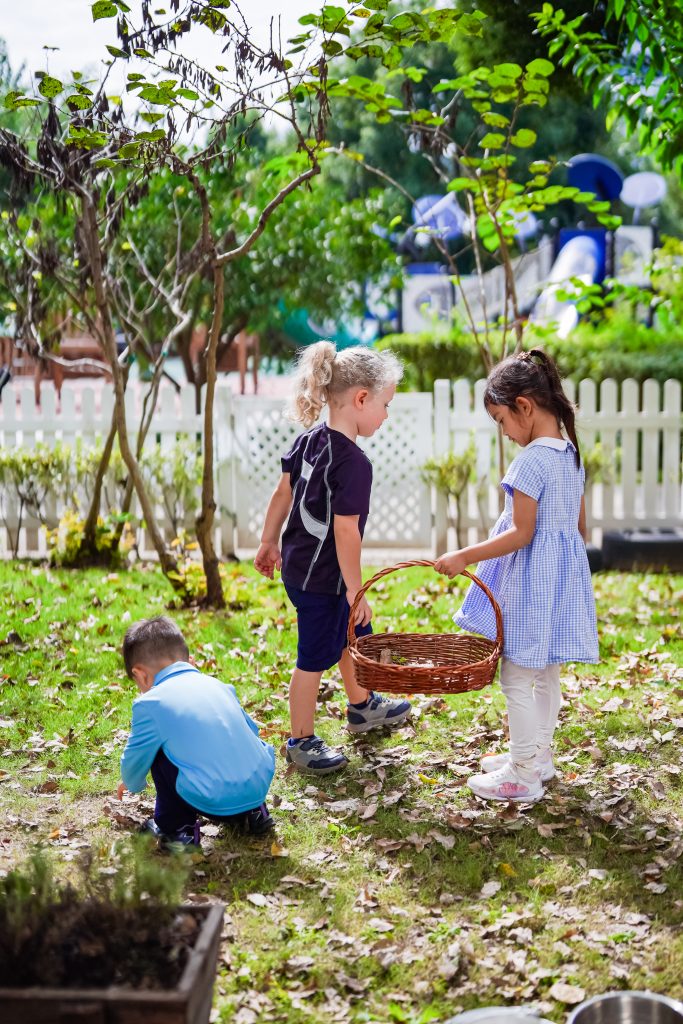
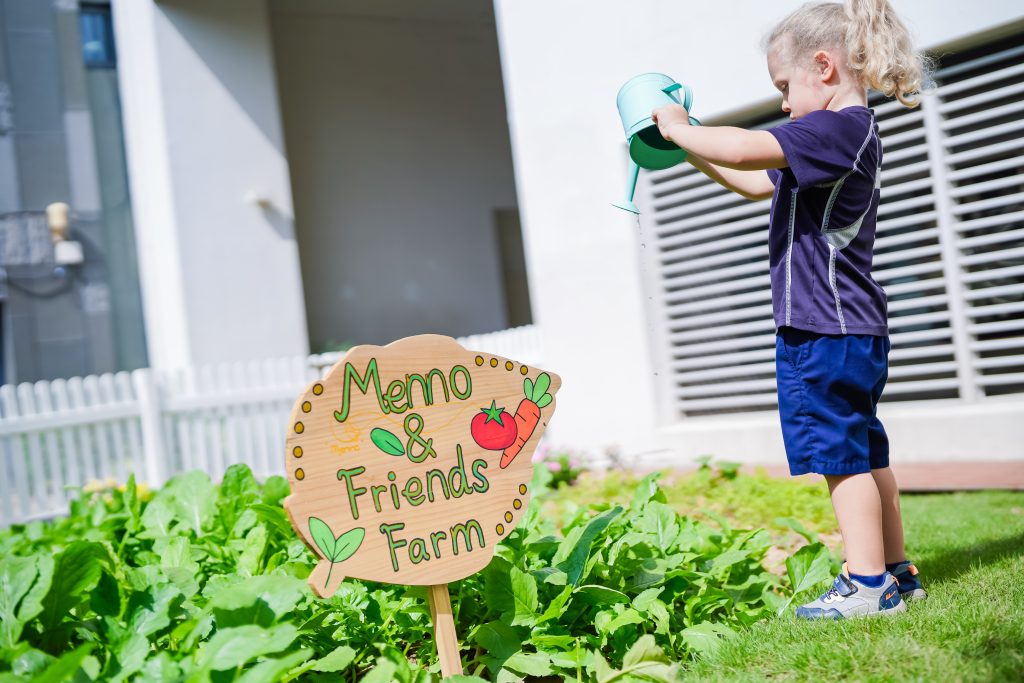
At parent-teacher conferences, Amy is most excited to share the little moments that show how much a child has grown: a new skill they’ve mastered, the courage they’ve finally found to speak up, or a new way they’ve discovered to solve a problem.
“These moments might seem small, but they can represent huge steps forward. I feel privileged to be there to witness them.”
Above all, Amy believes in letting children lead their own learning. It begins with their interests, questions and ideas. A teacher’s role is to build on these, help children make connections and encourage them to keep exploring.
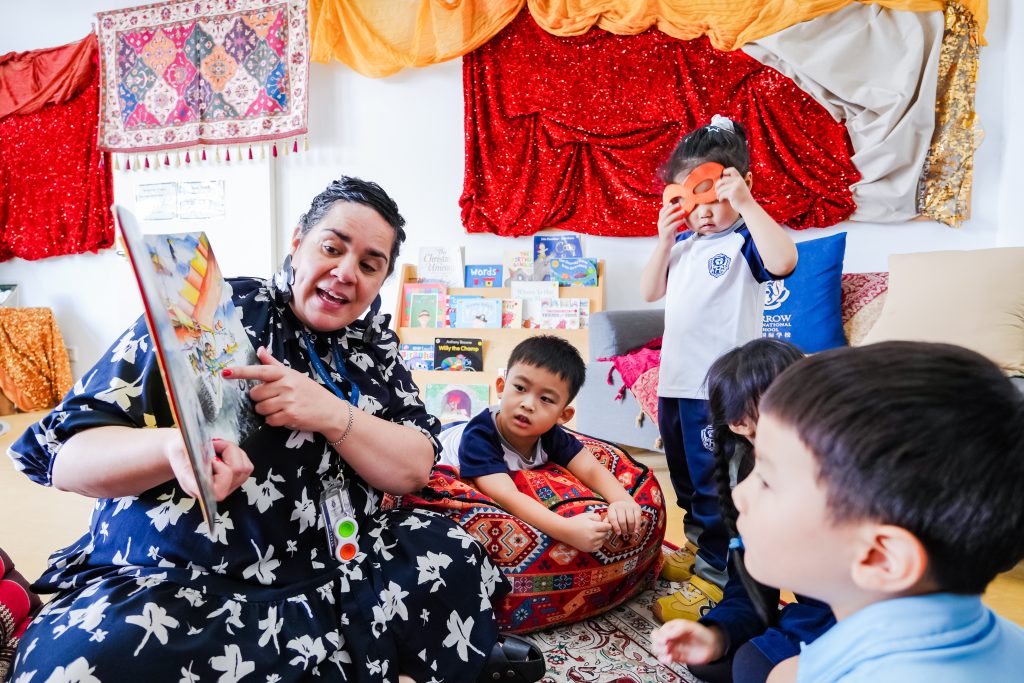
Having Seen the World, Valuing Every Voice
Having lived and worked in different countries, Amy has learnt an important lesson: there is so much we can learn from people whose experiences and perspectives differ from our own.
She brings this same openness into her classroom, encouraging children to listen to one another, share their ideas and value every different voice and perspective.
When it comes to choosing a school or choosing a teacher, Amy’s advice is simple, yet powerful:
Parents should look for a teacher who genuinely cares about your child and your family. Someone who sees each child for who they are, celebrates their strengths and cares about what excites them.
For Amy, a good learning environment should feel warm, welcoming and full of life — a space where children’s ideas and learning are visibly brought to life on the walls.
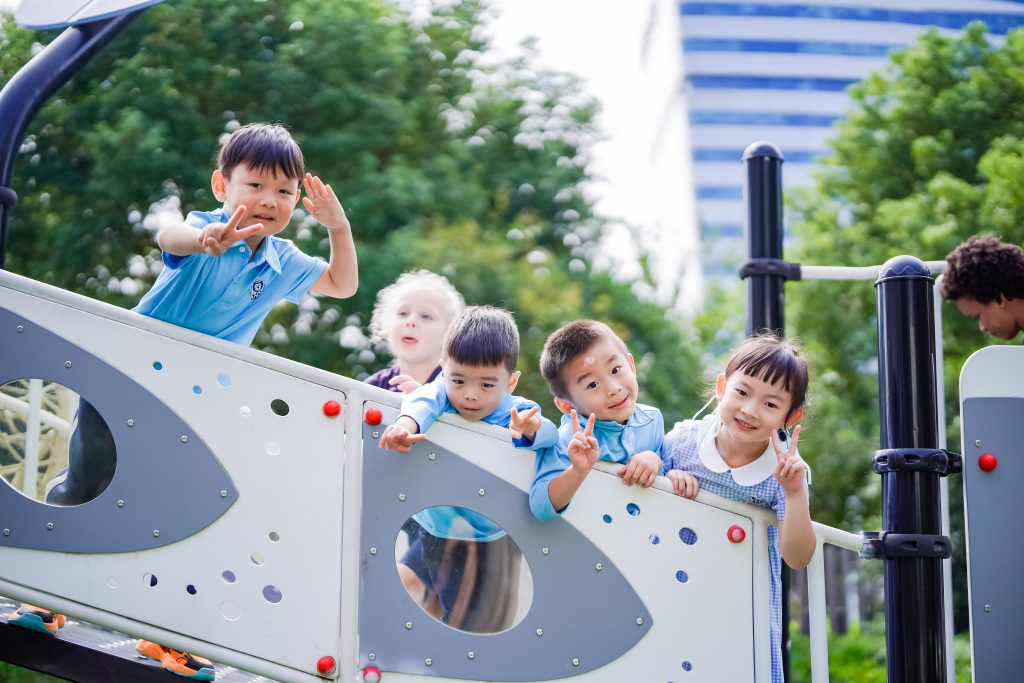
Most importantly, every child should feel: “I belong here. I can be myself. My teacher believes in me.”
What Makes a Great Teacher?
Wanda gets down to a child’s level, making sure every child feels truly seen. Amy has seen the world and brings its warmth into the classroom.
They differ in many ways, yet both point to the same truth.
In the early years of a child’s education, what matters most is not how well-known a school is, but the kind of teacher standing in that classroom, and the kind of “village” surrounding the child.
A school gives you a name. A teacher shapes your child’s childhood.