
At every admissions open day, we are often asked the same questions:
“Is 18 months too young?”
“My child still cries when I leave the room—can they really adapt to nursery?”
“What can they actually learn at such an early age?”
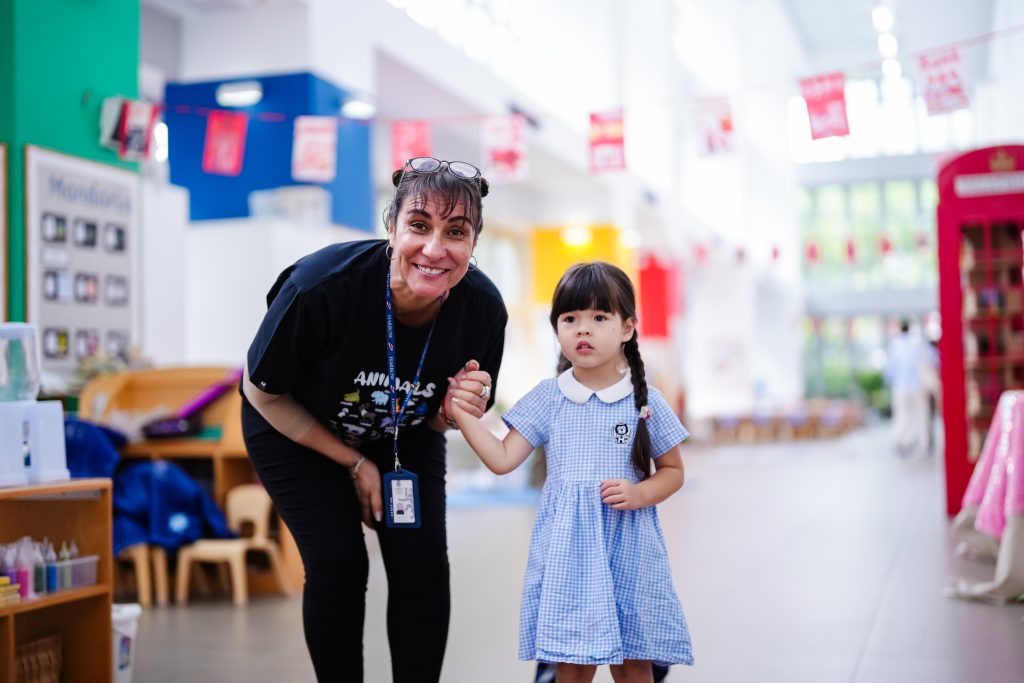
As parents ourselves, we completely understand these concerns.
At 18 months, many families are facing the challenge of “letting go” for the very first time. Children begin to develop their own ideas and personalities, while also experiencing separation anxiety. They are eager to explore independently, yet still seek the comfort and security of familiar arms.
So rather than asking, “How much will my child learn?”, most parents are really asking:
Will my child be happy?
Will they have the confidence to express themselves?
Will they keep their natural curiosity about the world?
Recently, we invited three Harrow Shanghai Pre-Nursery parents to share their authentic parenting journeys. Some enrolled their children in Harrow Cubs at just 18 months old; some watched their child grow from being afraid of PE lessons to eagerly raising their hand to participate; others saw their child go from speaking no English at all to expressing themselves confidently in English.
Their stories may offer some answers for families who are still considering the next step.
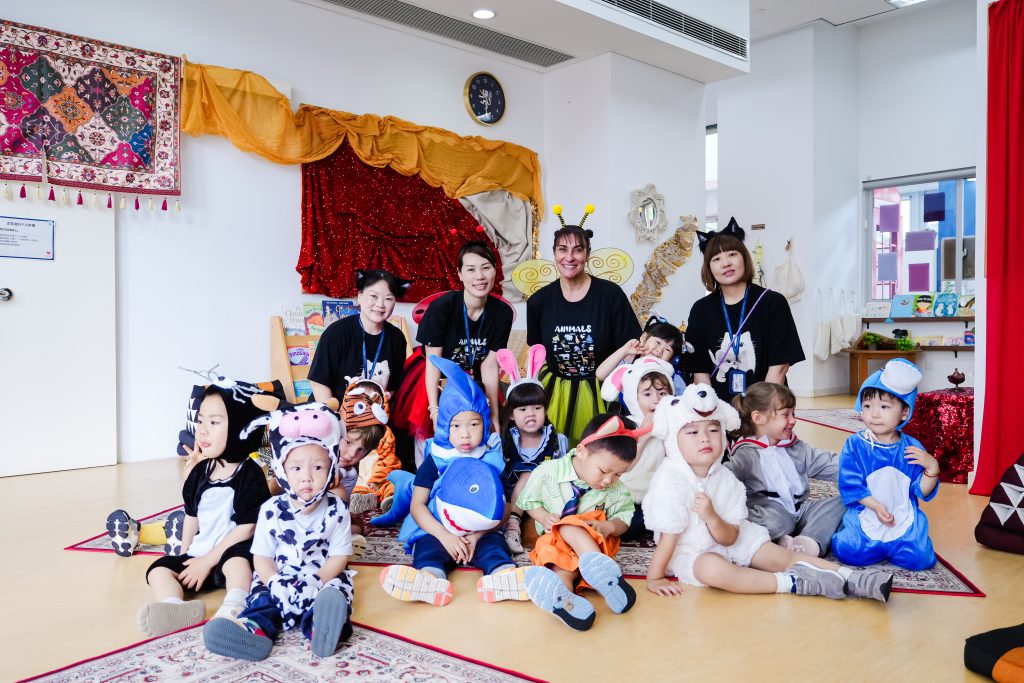
Jerry’s Mom: Our biggest concern was seperation anxiety
When Jerry was 18 months old, both his father and I found it incredibly difficult to let him go. At that age, children are just beginning to develop a sense of self. Even a brief separation from Mum could bring tears—let alone saying goodbye every morning at school.
At the same time, we knew that every child eventually reaches a stage where they need to take their first steps away from their parents and begin building relationships beyond the family.
What ultimately gave us the confidence to take that step was Harrow Cubs’ thoughtful and well-established transition programme for young children.
Step 1: A gentle and gradual transition —— Rather than expecting children to adapt overnight, Harrow Cubs takes a gradual and child-centred approach, helping each child build a sense of security and confidence at their own pace.
Step 2: Understanding each child’s emotions and routines —— The teachers carefully recorded each child’s eating habits, daily routines, and emotional changes.
Step 3: Exploring and building trust through games —— Through picture books, games, outdoor exploration, and daily interactions, children gradually become familiar with their environment and build trust.
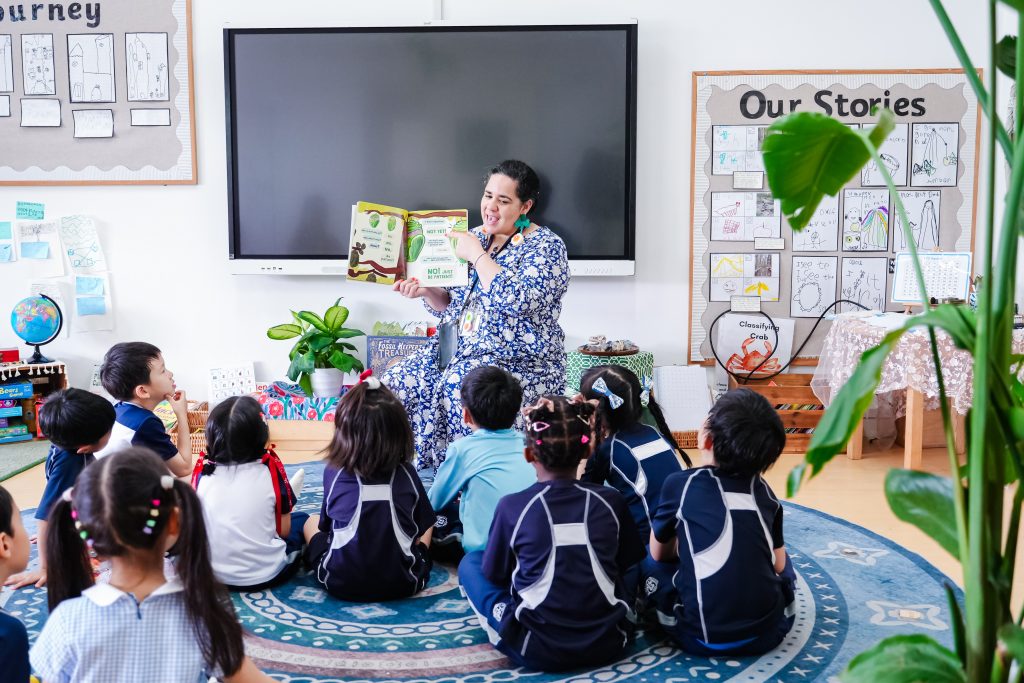
The changes happened subtly and gradually. Immersed in an all-English environment, he began to speak English words naturally and even express his needs in simple English. But what moved us even more than his language skills was the change in his personality. Jerry is now exceptionally good at sharing and increasingly caring towards others. Once, seeing a classmate crying, he went to comfort them; at home, he proactively helps tidy up his toys and organize his belongings. The little boy who once couldn’t be separated from his parents has now learned to eat and wash independently, and even tidy up his own small items. These seemingly small moments of growth make us truly feel that our child has really grown up.
Now, Jerry can happily walk into the classroom and greet his teachers. The separation anxiety he once worried about has slowly turned into his first act of courage on his path to adulthood.
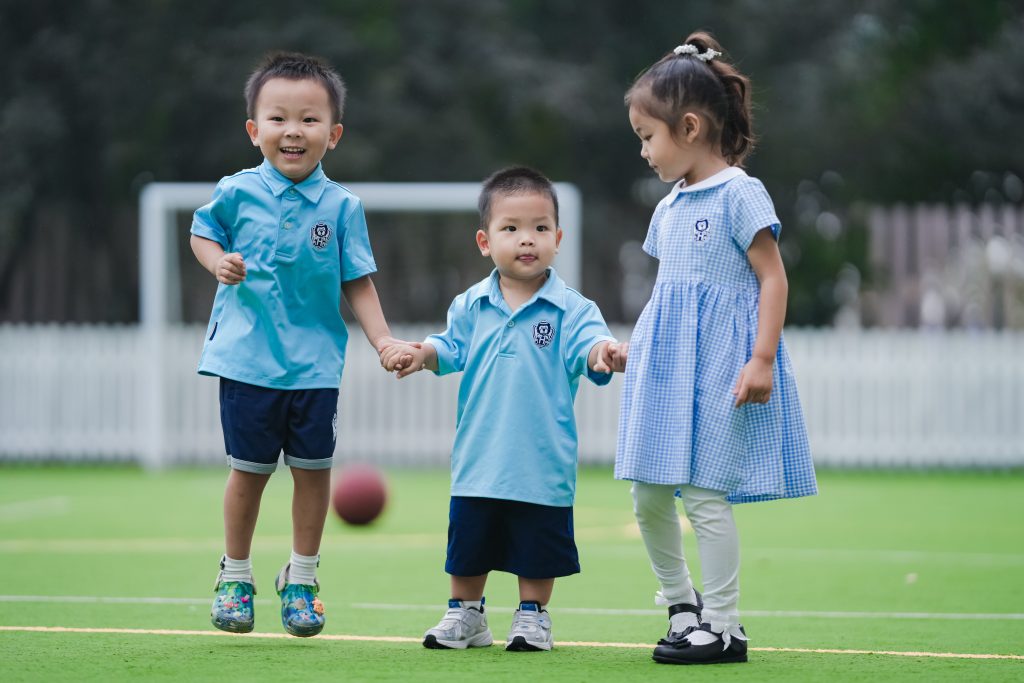
Hailey’s Mom: She didn’t just learn English, she started living her life in English
To be honest, we never deliberately taught Hailey English. In fact, she was quite resistant to traditional learning methods—memorizing vocabulary, recognizing letters, and rote repetition—and had no interest in any of them. So when she first started pre-nursery, we had absolutely no expectations that she would start speaking English anytime soon. But six months later, something happened that truly surprised us.
One day, we suddenly noticed her talking to herself in English in her room. It was only then that we realized English had quietly become a part of how she understood the world. Gradually, she began using English to express her needs, share her feelings, and describe what she observed.
None of this happens in “English class,” but rather in the real-life situations that occur every day: saying hello, singing songs, telling stories, lining up, having snacks, chatting with the teacher…
For children, language is acquired through “everyday life,” not through “instruction.”
More importantly, she has become increasingly willing to express herself. At first, Hailey was afraid and didn’t want to participate in PE class. The teacher didn’t pressure her to join right away, but gave her plenty of time to observe and adjust. With the teacher’s consistent and gentle encouragement, she slowly took her first steps and gradually built up her confidence. Now, she is able to actively participate in activities and happily interact with her classmates.
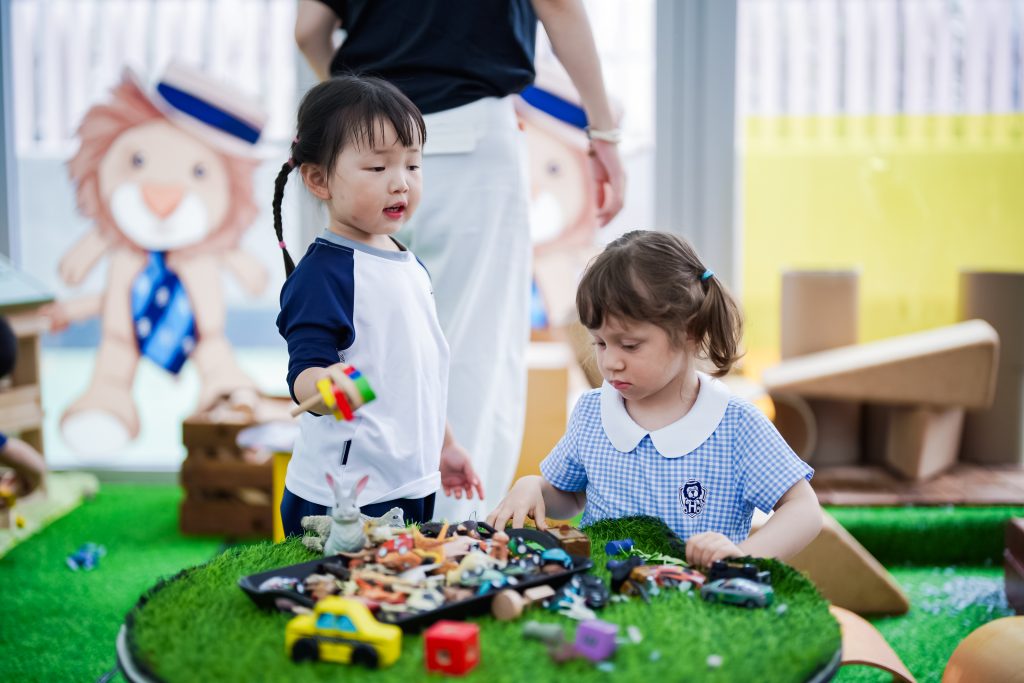
If we say that the first milestone a child achieves upon entering pre-nursery at 18 months is learning independence, and the second is learning to express themselves, then once children have gained a sense of security and self-confidence, what else can education offer them?
For Menno, a mother whose three children have all grown up at Harrow, the answer might be: to protect children’s innate curiosity.
Menno’s Mom: What moved me the most was how seriously they took children’s curiosity
As a mother of three, I deal with three completely different stages of development every day. My eldest daughter and son are already attending Harrow Upper School, while my youngest, Menno, has just started Pre-Nursery. Many people ask me why I’ve chosen to send all three children of different ages to the same school.
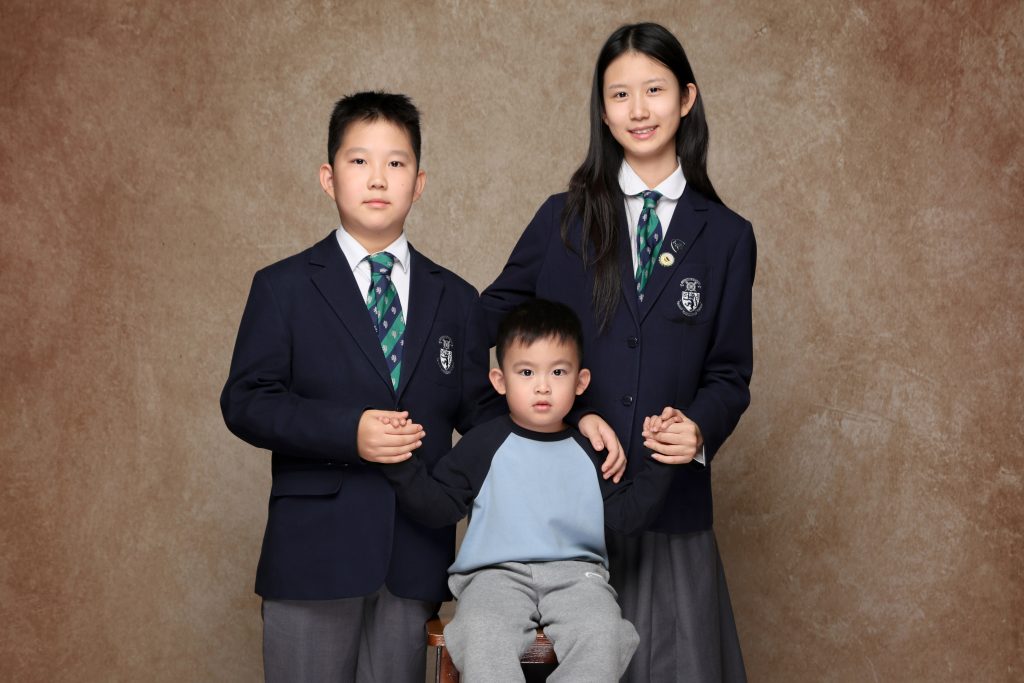
My answer is simple:
Because I see that Harrow truly understands what children of different ages need. For a three-year-old, the most important things aren’t knowledge, but a sense of security, curiosity, and being treated with kindness.
When he first started Pre-Nursery, Menno also experienced separation anxiety. But to my surprise, it took him just one week to go from crying and refusing to go to school to not wanting to leave at the end of each day. The teachers are always keenly attuned to the children’s emotional changes, knowing when to offer comfort and when to provide encouragement. As the children gradually grow older, the school also gives them more opportunities to express themselves, explore, and challenge themselves. This is why I feel confident entrusting all three of my children to Harrow. Because here, they don’t try to mold every child into the same mold; instead, they truly respect each child’s unique pace of development.
What moved me most during my time at the Pre-Nursery was how seriously they took the children’s curiosity.
One day after school, Menno tugged at my sleeve, reluctant to leave. He was worried about the watermelon beetles in the garden behind the classroom. I just wanted to get home quickly, so I kept urging him to go. To my surprise, the teacher not only didn’t stop him but actually led him toward the garden:
“Watermelon beetles like damp, dark places.”
“You can try turning over the pile of fallen leaves.”
And so, a three-year-old set out on his own “scientific exploration.” In that moment, I suddenly realized: here, children’s curiosity isn’t interrupted—it’s taken seriously. The materials in the classroom aren’t standardized toys, but open-ended materials like wood, twigs, pinecones, and coconut shells. The children can create, build, and use their imagination; the teachers don’t rush to provide answers, but instead join them in the search for answers.
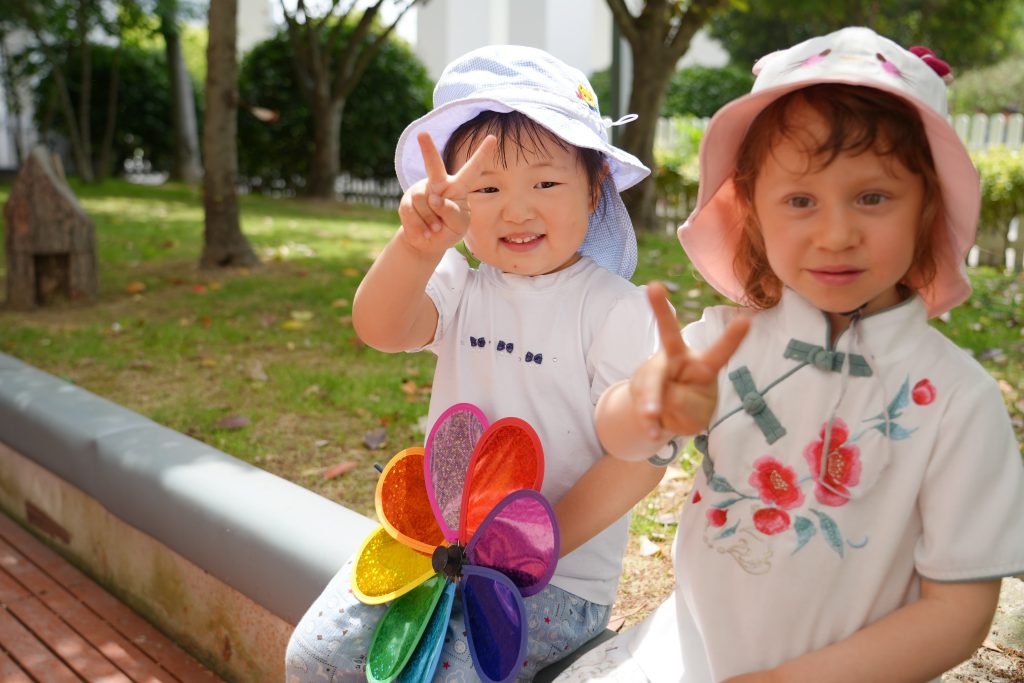
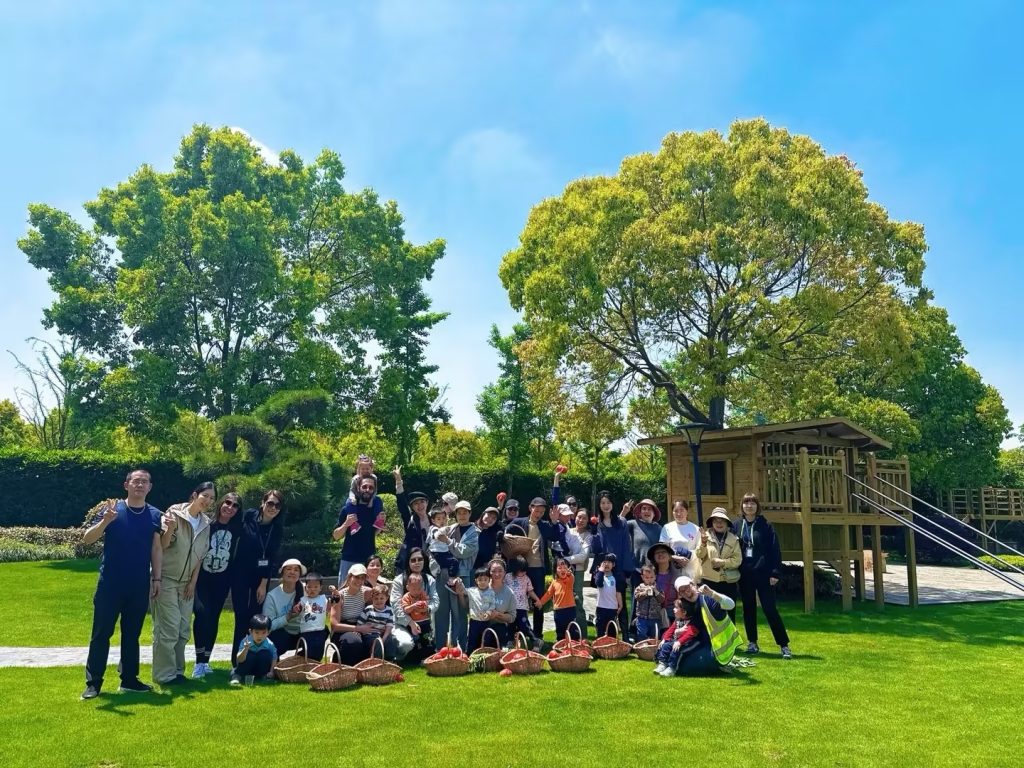
This reminds me of an experience I had earlier when I organized a field trip for my class to our farm. It all started with a simple question from one of the children: “Mom, can I invite my friends over to play?” To my surprise, the school not only supported the idea but also turned it into a genuine learning experience. The children fed the animals, picked vegetables, and observed nature together.
That day, I felt particularly strongly that education never happens solely in the classroom. For young children, having their curiosity taken seriously, their unique personalities recognized, and the sense of security provided jointly by school and home may be even more valuable than the amount of knowledge they acquire. Because this passion for the world will accompany them through elementary and middle school—and even into the future.
All growth begins with being seen.
As the interview drew to a close, we found ourselves pondering a question: Why are more and more families taking the selection of a Pre-Nursery seriously at the 18-month mark?
The answer lies not in what children “have learned” but in the fact that they are going through the most critical period of skill development in their lives. A sense of security, the ability to express oneself, and curiosity—these terms may seem abstract, but over the long term, they will gradually reveal real differences. Some children need repeated exposure to adapt to unfamiliar environments, while others are already able to express themselves naturally, connect proactively, and quickly establish their place in a new setting. This difference isn’t a temporary gap in ability, but rather whether they’ve established an “inner confidence” to face the world at an earlier stage. And this confidence stems from a very, very early time:
The first time their emotions were consistently validated;
The first time they were allowed to express themselves;
The first time their curiosity was taken seriously.
These moments may seem insignificant, yet they quietly shape the way a child will view the world in the future. When children enter a new stage of development, their ability to face new environments with composure, express themselves clearly, and maintain a sustained curiosity often depends on how they first began to relate to the world. And this is precisely the true significance of early childhood education.